Forrige
Management of Telecommunications Infrastructure in Housing Cooperatives and Public Offices
August 4, 2025



A strong leader who values ethics has a significant influence on clients’ trust in a company. This type of leader sets a moral standard and fosters a culture of transparency and integrity. When clients see that a company’s leadership upholds ethical practices, their confidence and trust in the organization increase. Such leaders demonstrate that they prioritize the well-being of clients and society, not just profit, which positively impacts the company’s reputation and client loyalty.
Additionally, a strong, ethical leader encourages open communication and freedom of speech among employees. This creates a work environment where employees feel safe to share ideas, voice concerns, and contribute to decision-making. This open dialogue improves employee morale and innovation, as team members feel valued and respected. Furthermore, when employees feel they can speak freely without fear of retaliation, they are more likely to report issues early, helping the company address potential problems proactively.
A leader who emphasizes ethics strengthens trust with clients and builds a positive, inclusive workplace that supports open dialogue, enhancing both the company’s internal culture and external reputation.
The Blueprint for Building Trust Through Ethical Reputation in a Skeptical Era
In a world often skeptical of businesses, trust is a crucial asset, essential for long-term relationships and organizational success. Recent studies underscore its impact: companies with high trust outperform competitors by up to 186% in revenue growth and brand loyalty. Ethical reputation is a fundamental blueprint for building societal trust. In a landscape marred by misinformation and corporate scandals, trust fosters cooperation, credibility, and reliability—cornerstones for both growth and positive stakeholder relationships.
To combat growing skepticism, businesses must prioritize their ethical reputation composite of trustworthiness, integrity, and social responsibility. Key components of this reputation include transparent communication, consistent ethical practices, accountability, and commitment to social and environmental responsibility. A recent survey found that 89% of consumers are more loyal to brands they perceive as ethical, with 76% actively avoiding businesses embroiled in ethical controversies.
Why Trust Matters in Modern Business
In today’s skeptical age, trust underpins productive relationships, enhances credibility, and facilitates collaboration, providing businesses with a competitive edge. Strong trust results in higher employee retention and more loyal customers, creating a virtuous cycle of growth. Without trust, partnerships falter, brand reputation suffers, and customer loyalty wanes.
Trust is a critical asset in modern business, setting the foundation for sustainable growth, employee satisfaction, customer loyalty, and brand resilience.
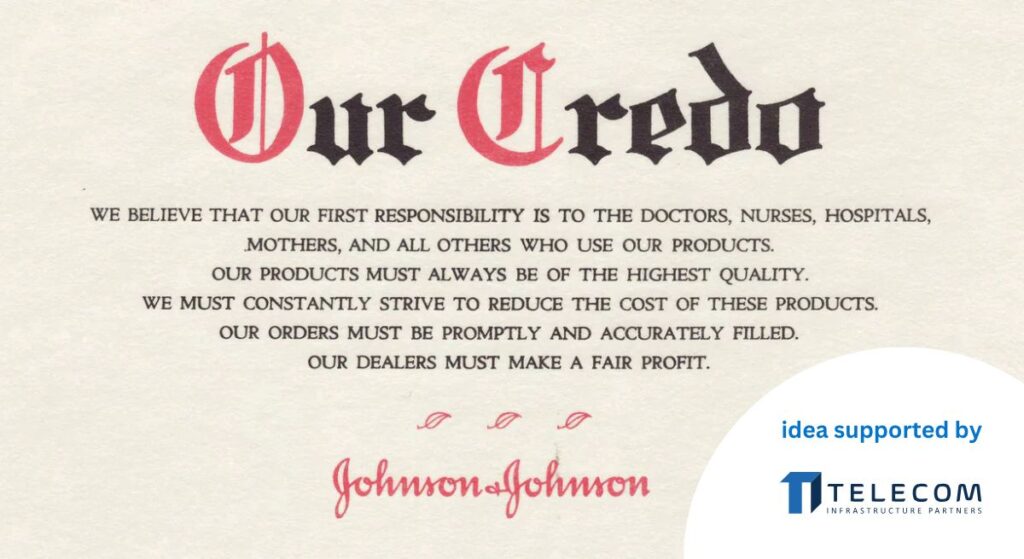

In fact, the research shows that 85% of U.S. workers are motivated to do their best work when they feel heard by their managers. That’s why Salesforce rolled out virtual and in-person training and resources that helped managers navigate their new role and responsibilities, including: Leadership learning pathways and Career and mental fitness coaching.
“Over the past year, more than 24,000 managers across the company have opted into new management training programs — a 200% increase since last year. Says Brent Hyder Chief People Officer VF Corporation (NYSE: VFC) And it’s paying off — today, 90% of our employees agree their managers support them to be successful in their role.”
The Current Age of Skepticism and Misinformation
Society’s skepticism is partly fueled by misinformation, with 68% of people worldwide doubting the reliability of news and organizational messaging. To counteract this distrust, businesses must prioritize transparency, ethical behavior, and clear communication. Building trust in such an environment is challenging yet achievable with a commitment to ethical practices and a proactive approach to stakeholder engagement.
Building Trust with an Ethical Reputation Blueprint
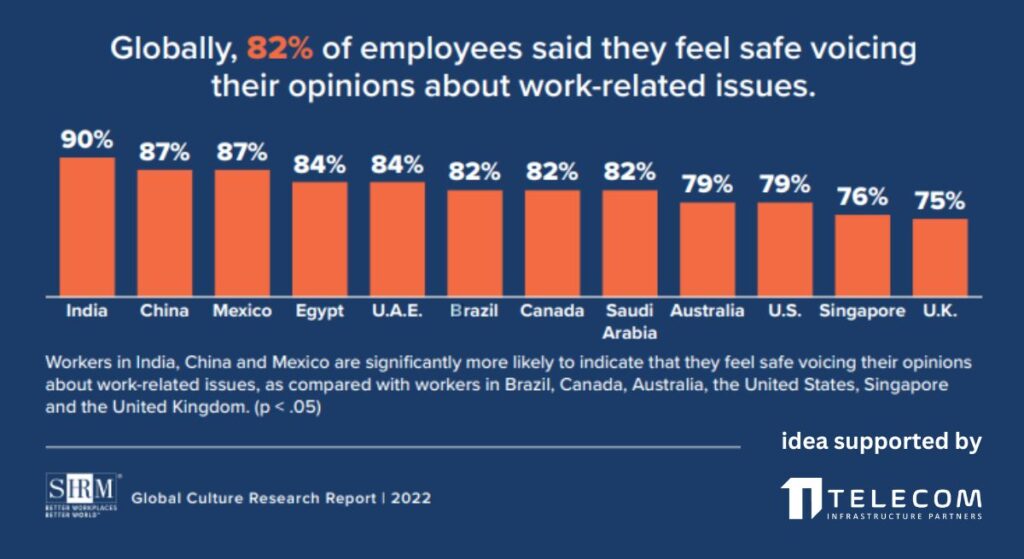
Creating an ethical reputation involves crafting a strategy that emphasizes transparency, accountability, and social responsibility. Research shows that 84% of employees feel more engaged when their organization prioritizes ethical conduct, underscoring how ethical leadership directly contributes to a trusting workplace culture.
Benefits of an Ethical Reputation
The rewards of building an ethical reputation are long-lasting: trustworthiness strengthens customer loyalty, supports brand differentiation, and attracts top talent. Ethical companies enjoy a 30% greater employee retention rate and benefit from lower reputational and legal risks.
Building an ethical reputation isn’t just a good practice; it’s essential for cultivating trust in an era defined by skepticism. Companies that prioritize transparency, accountability, and responsibility not only boost customer loyalty but also position themselves for resilient, sustainable growth.
Is it good for business when staff fear their manager?
A culture of fear in the workplace is generally detrimental to business success. Research consistently shows that fear-based management not only damages employee well-being but also negatively impacts productivity, morale, and retention—key elements of a thriving organization. Here are the main reasons why:
1. Decreased Morale and Job Satisfaction
2. Reduced Communication and Innovation
3. High Turnover and Recruitment Costs
4. Decline in Performance Quality
5. Mental Health and Increased Absenteeism
6. Negative Company Culture and Brand Damage
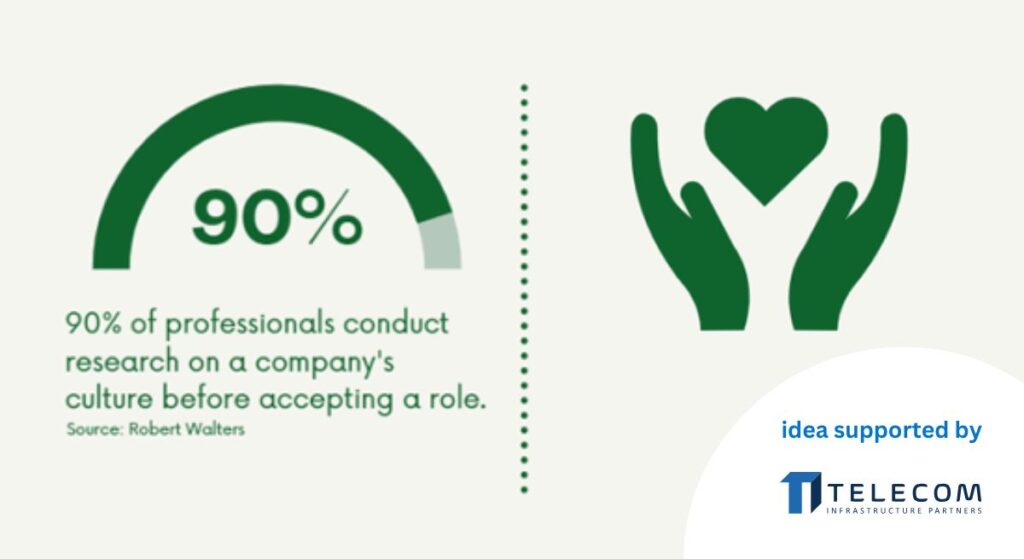
According to the Glassdoor Workplace Culture Survey (2022), a culture of fear can create a toxic workplace environment that damages the overall company culture and deters potential hires. In today’s job market, where 73% of workers consider company culture an important factor in choosing a job, a negative reputation can lead to challenges in attracting and retaining talent. Positive company cultures, on the other hand, result in a 20% increase in employee productivity and have been linked to higher profitability.
Companies that prioritize a positive culture not only retain employees but also enhance their brand appeal to potential hires and customers alike. A well-regarded culture acts as a competitive advantage, making it easier to attract high-caliber talent and strengthening the company’s public image. For example, companies with strong cultures experience 20% more productivity and 26% lower turnover rates, according to SHRM. Positive cultures serve as “brand ambassadors” in the job market, whereas fear-driven environments face a tarnished reputation that is costly to repair.
The Benefits of Supportive, Empowering Management
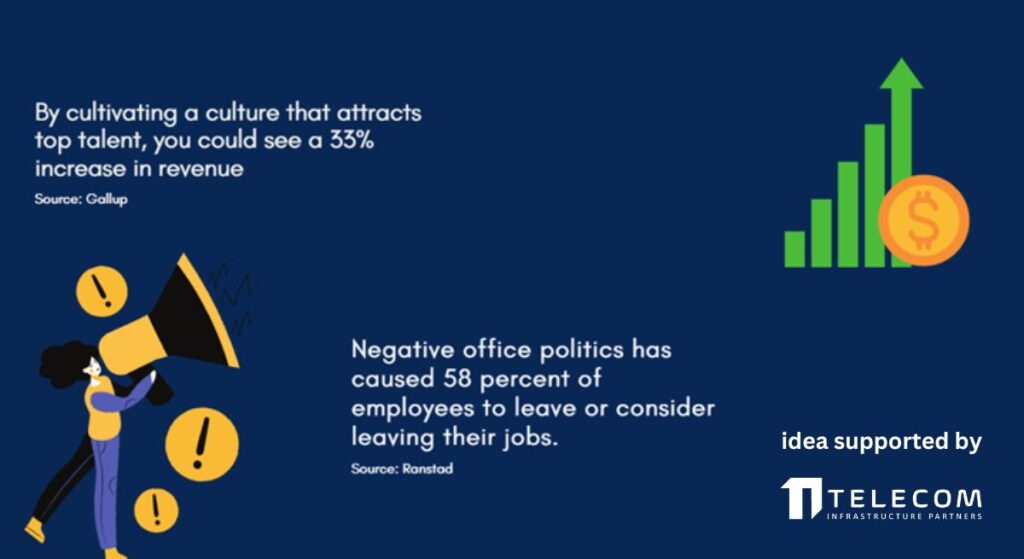
In contrast, companies that foster trust and empowerment enjoy significantly better performance outcomes. A study from the International Journal of Human Resource Management found that supportive management increases productivity by 22% and boosts employee retention by 50%. By promoting a supportive culture, managers create an environment where employees feel psychologically safe, are more likely to engage, and are willing to invest in the organization’s success.
Emphasizing positive management practices fosters an engaged, innovative, and high-performing workforce, which can propel business growth and establish a robust, resilient company culture.
Developing Employees’ Trust in Management through Ethical Leadership
In today’s competitive and rapidly changing business environment, fostering a culture of trust between employees and management is essential for organizational success. Trust is a cornerstone of effective workplace relationships, impacting employee engagement, job satisfaction, and organizational commitment. One of the most effective ways to cultivate trust is through ethical leadership, where leaders model integrity, transparency, and accountability. Ethical leadership goes beyond the technical aspects of management; it is rooted in core values that reflect fairness, respect, and a commitment to ethical standards. When leaders demonstrate these qualities, employees are more likely to view their intentions positively, which strengthens their confidence in leadership decisions.
Ethical leadership plays a pivotal role in bridging the gap between management and employees. By emphasizing ethical behavior, leaders create an environment where employees feel valued and supported, thereby enhancing their sense of security and trust. This trust is fundamental to an open and collaborative workplace, where employees are motivated to share ideas and voice concerns without fear of retribution. Furthermore, when trust is established, employees are more willing to align their efforts with organizational goals, resulting in a more cohesive and resilient team.
The study “Developing Employees’ Trust in Management through Ethical Leadership” by Damianus Abun, Jay G. Cumlat, MAEd, Margarita, A. Galat, MAEd, Fredolin P. Julian, PhD, was conducted to investigate how ethical leadership influences the trust employees have in their organization’s management and administrators. To build the study’s theoretical framework, researchers conducted a thorough literature review on leadership ethics and organizational trust. Adopting an assessment and correlational design, they surveyed employees of Divine Word College of Laoag to quantify the relationship between ethical leadership and employee trust. Validated questionnaires from Yukl et al. (2013) and Seok et al. (2015) provided reliable tools to assess ethical leadership behaviors and trust indicators, ensuring data accuracy and alignment with the study’s goals.
The results indicated a high perception of ethical leadership among the employees, reflecting that they viewed their leaders as adhering to strong ethical standards. This positive view was accompanied by a substantial level of trust placed by employees in their management. Additionally, correlation coefficient analysis revealed a statistically significant positive relationship between ethical leadership and trust in management. This suggests that when leaders demonstrate ethical behaviors, employees are more likely to feel confident in their intentions and decisions, fostering an environment of trust within the organization.
Ultimately, the study highlights the critical role of ethical leadership in building and maintaining trust between employees and management. This relationship underscores the importance of ethical standards in leadership practices, as these directly impact organizational cohesion and employee morale. The findings offer insights for organizational leaders and policymakers on fostering ethical leadership to strengthen trust and enhance workplace culture.
In today’s business environment, trust is not just a moral imperative but a strategic advantage. Companies that prioritize trust experience higher customer loyalty, improved employee satisfaction, and financial resilience. Trust-based organizations also benefit from positive brand perception, making them more attractive to both talent and investors. Ultimately, trust is foundational to sustainable growth, as it supports a healthy internal culture and reinforces the company’s position in the market.
Telecom Infrastructure Partners (TIP) embodies the principles of trust and respect in every aspect of its operations, recognizing that these values are essential for sustainable success in the telecom industry. TIP’s commitment to transparency, ethical practices, and stakeholder satisfaction has helped the organization establish a solid foundation of trust with employees, customers, and partners alike. Here’s how TIP incorporates these trust-building values.
Sources:
Also read: